Physical Pathways to Understanding AI Mechanisms

ICLR 2027 Workshop April 29 or 30, 2027 · San Francisco, USA

Introduction

Modern AI systems are increasingly powerful, yet their objectives, representations, training dynamics, and emergent behaviors remain only partially understood. The Physical Pathways to Understanding AI Mechanisms workshop explores how physical principles can provide mathematical and algorithmic tools for understanding and designing modern machine learning systems.

The workshop treats AI systems as high-dimensional statistical and dynamical systems and explores three complementary pathways: physical principles for learning objectives, learning and generation as dynamical systems, and representation structure and emergent behavior. Energy and free-energy formulations connect learning objectives to probabilistic structure and constraints; stochastic and nonequilibrium dynamics illuminate training and generation; and geometry, symmetry, and collective phenomena help characterize learned representations and changes in model behavior.

Across these pathways, we ask when physical perspectives provide testable predictions, mechanistic explanations, and practical design tools. We welcome approaches that connect explicit assumptions to measurable predictions, test proposed mechanisms through interventions, and examine the scope and limitations of physical descriptions beyond descriptive analogies.

Unlike broad AI-for-science workshops that focus primarily on applying AI to scientific discovery, this workshop studies AI systems themselves as objects of physical analysis. We aim to bring together researchers from machine learning, statistical physics, applied mathematics, computational neuroscience, and related fields to build a shared language for Physics for AI, clarify open problems, and identify principles for interpretable, controllable, and robust AI systems.

Schedule

The timeline and program below are tentative. The detailed timetable will be announced once the workshop date, room assignment, and contributed presentations are confirmed.

Submission deadline
February 1, 2027 AoE (tentative)
Acceptance decisions
Finalized by February 20, 2027; authors notified immediately thereafter (tentative)
Camera-ready
February 24, 2027 (tentative)
Accepted papers publicly available
On OpenReview and imported into the ICLR website no later than February 26, 2027 AoE
Workshop
2027 · 29/30 April, San Francisco, USA

Tentative Program

The one-day workshop will include:

  • 6–8 invited talks, each lasting 30 minutes including Q&A
  • 6 spotlight presentations, each lasting 10 minutes
  • Two 60-minute poster sessions
  • A 45-minute moderated discussion connecting learning objectives, dynamics, and representation structures

Topics

We welcome submissions on topics related to Physical Pathways to Understanding AI Mechanisms, including but not limited to:

  • Physical principles for learning objectives
    • Energy, free-energy, variational, and thermodynamic formulations of learning
    • Entropy and constraints in probabilistic and generative models
    • Physical perspectives on generalization, robustness, and the design of learning algorithms
  • Learning and generation as dynamical systems
    • Stochastic and nonequilibrium perspectives on optimization and training dynamics
    • Diffusion models, flow matching, energy-based models, and iterative refinement
    • How dynamics select solutions and lead to training or generation instabilities
    • Sampling efficiency, controllability, and steerability through physical analysis
  • Representation structure and emergent behavior
    • Representation geometry, symmetry, and collective modes
    • Phase transitions in learning and the development of internal structures
    • Connections between representation structure, generalization, and model capabilities
    • Testable physical accounts of emergence and the limits of descriptive analogies

Submission Format

  • The workshop is non-archival. Submissions should not be identical to finalized work that has already been published or accepted at major machine learning venues.
  • Submissions may take the form of original research, work in progress, theoretical notes, benchmark proposals, position papers, negative results, or empirical studies. We accept two submission formats:
    • Short papers: up to 4 pages, excluding references and optional appendices. This format is suitable for early-stage ideas, position papers, theoretical notes, negative results, and concise empirical or conceptual studies.
    • Long papers: up to 9 pages, excluding references and optional appendices. This format is suitable for more developed research contributions with substantial theoretical, empirical, or methodological content.
  • All submissions should follow the ICLR workshop style. Reviews will be double-blind, so submissions should be anonymized. Authors may include appendices or supplementary material, but reviewers are not required to read them.
  • All submissions must be made through OpenReview. Accepted submissions, whether short or long, will be presented as posters. A small number of accepted submissions will additionally be selected for 10-minute spotlight presentations.

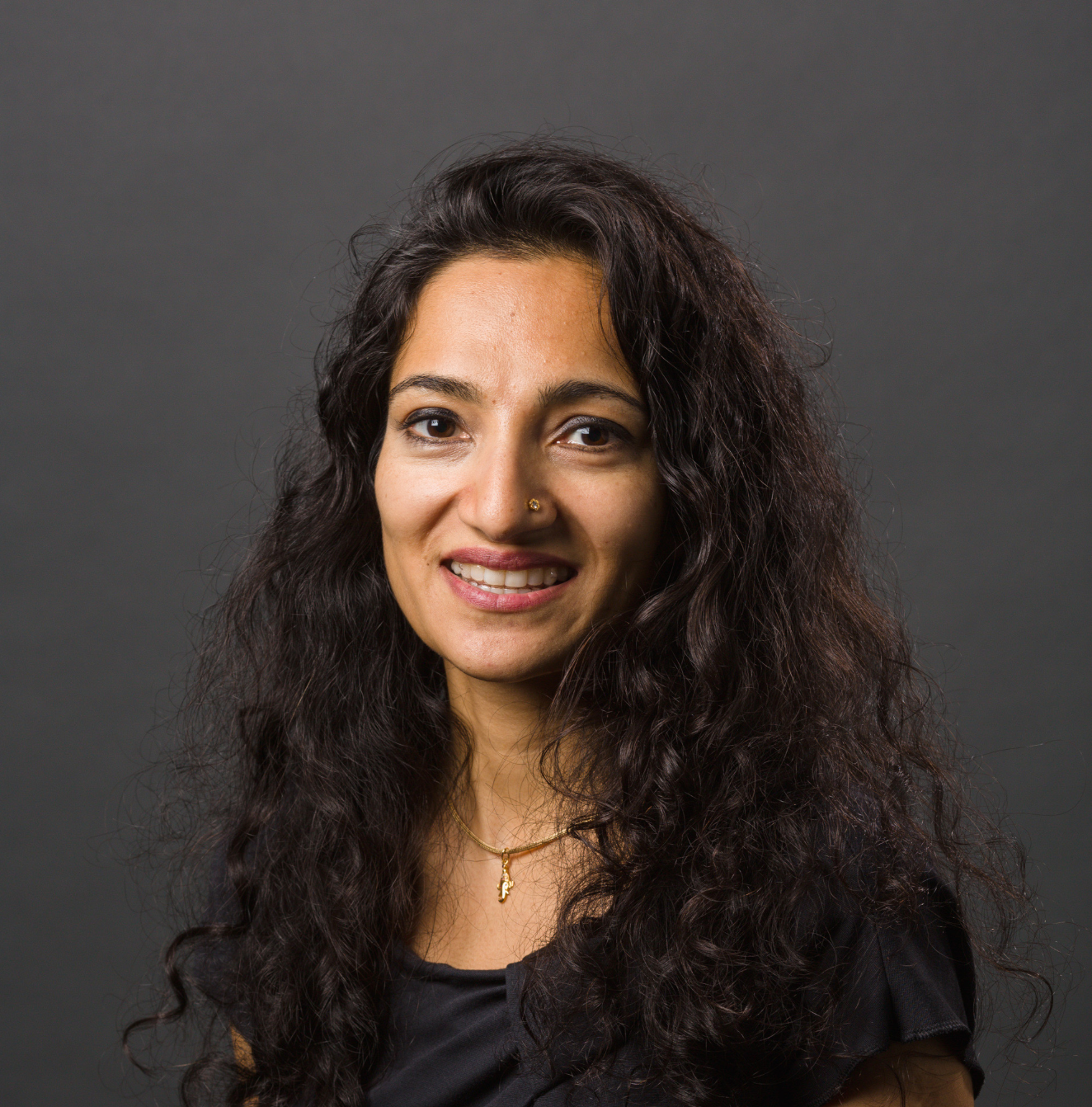
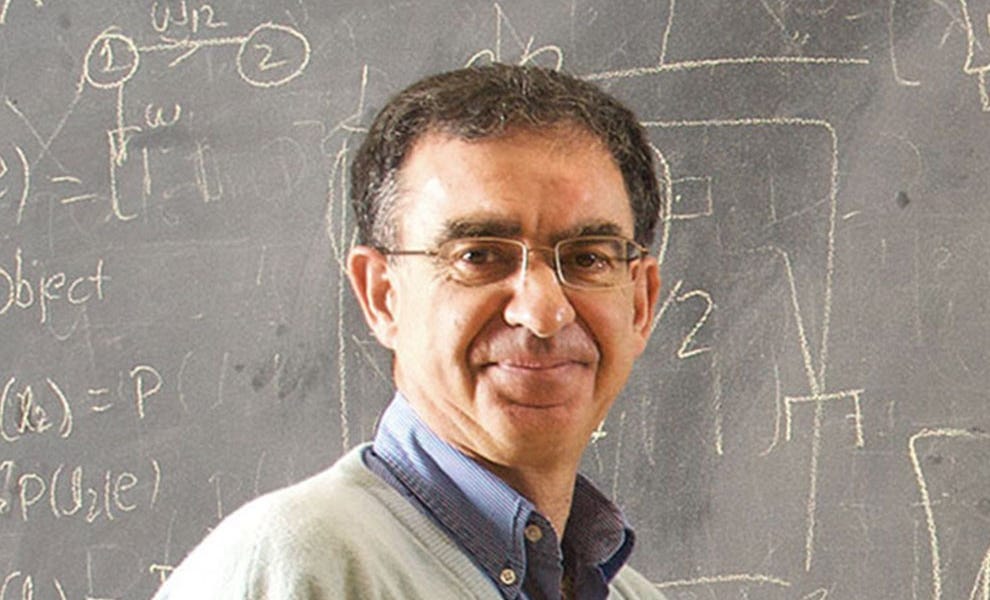
Speakers (Alphabetic Order)

All seven speakers below have accepted our invitations and confirmed their participation, subject to acceptance of the workshop proposal. Talk titles and abstracts will be announced as the program is finalized.

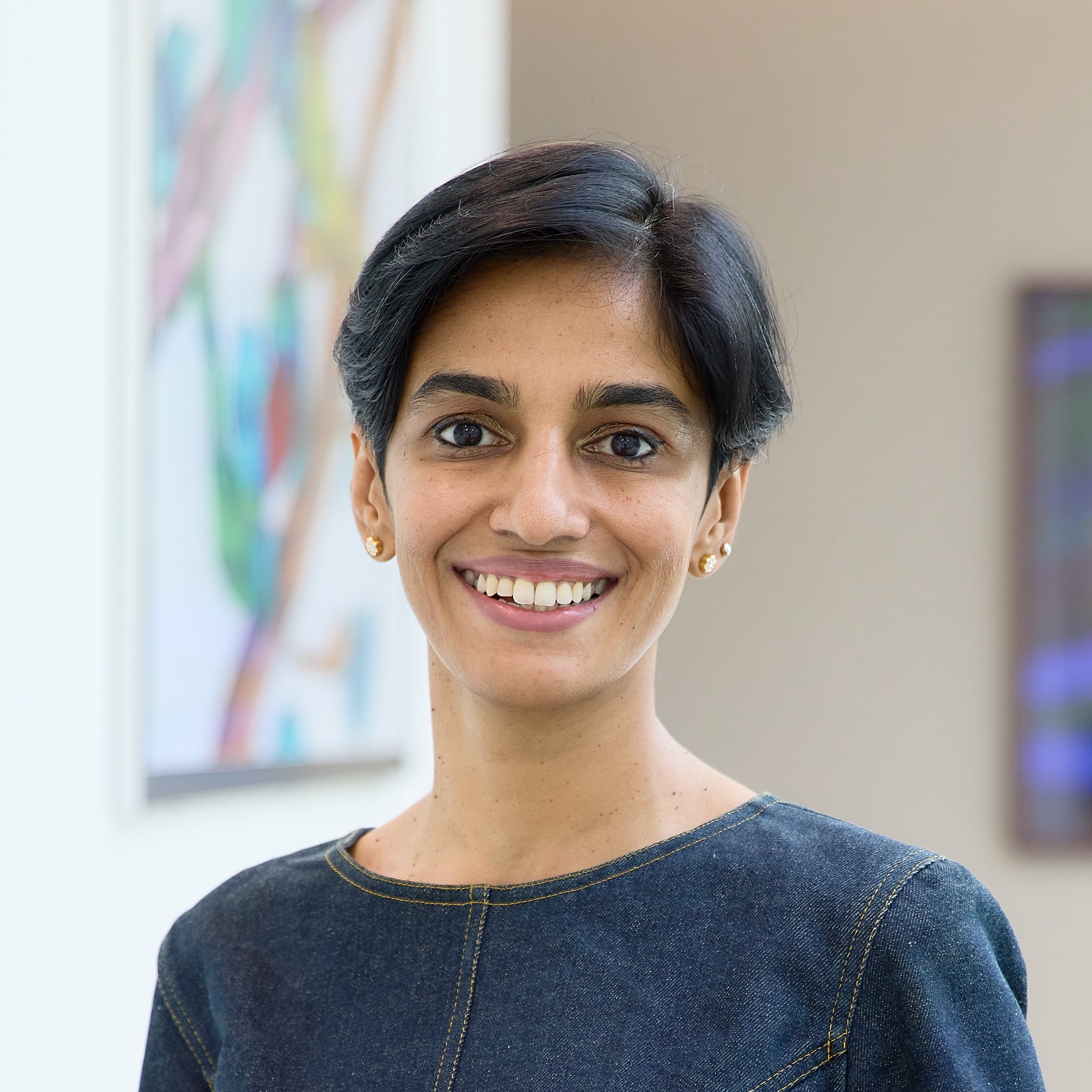
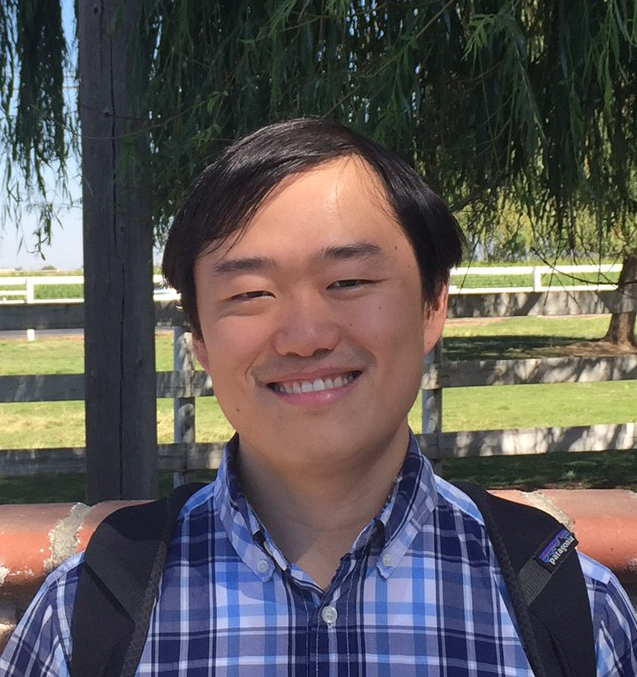
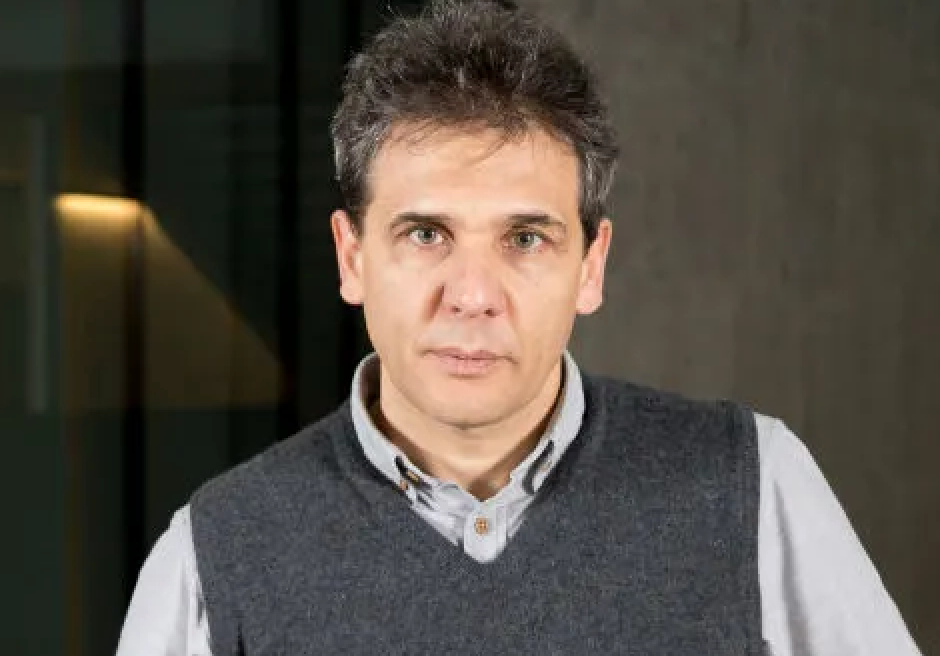
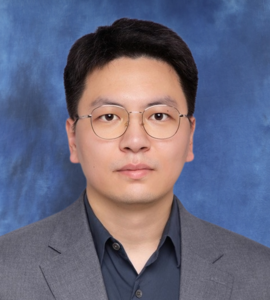
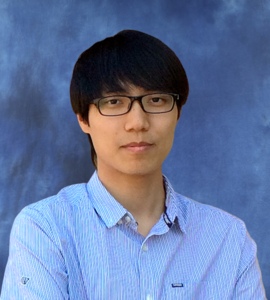
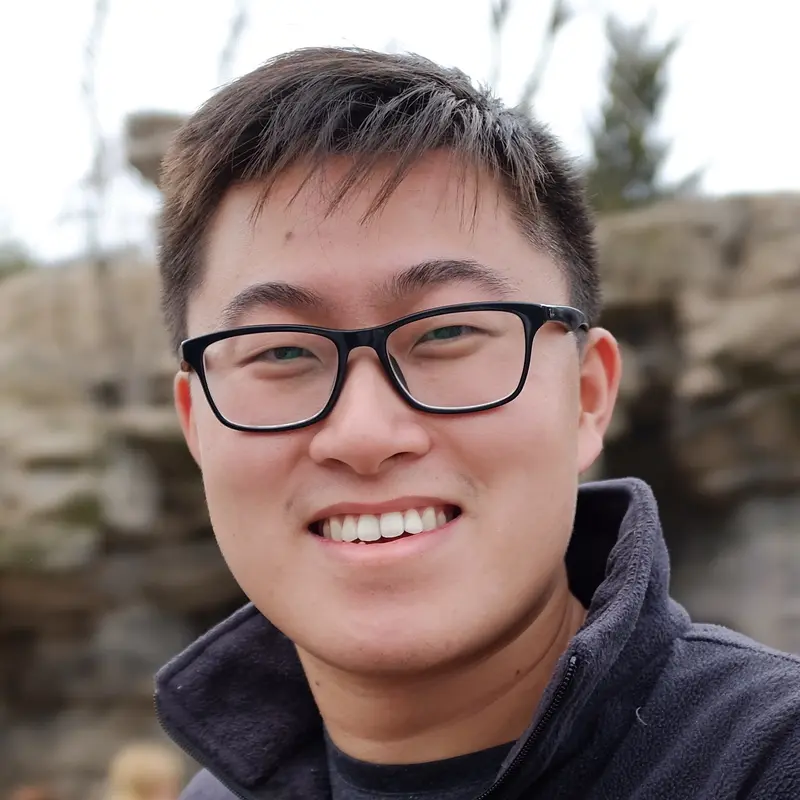
Organizers (Alphabetic Order)

Student Assistant: Yuhao Li (CUHK)

Contact

For any questions about submissions, sponsorship, invited sessions, or the workshop program, contact the organizing team at phys4ai.org@gmail.com.